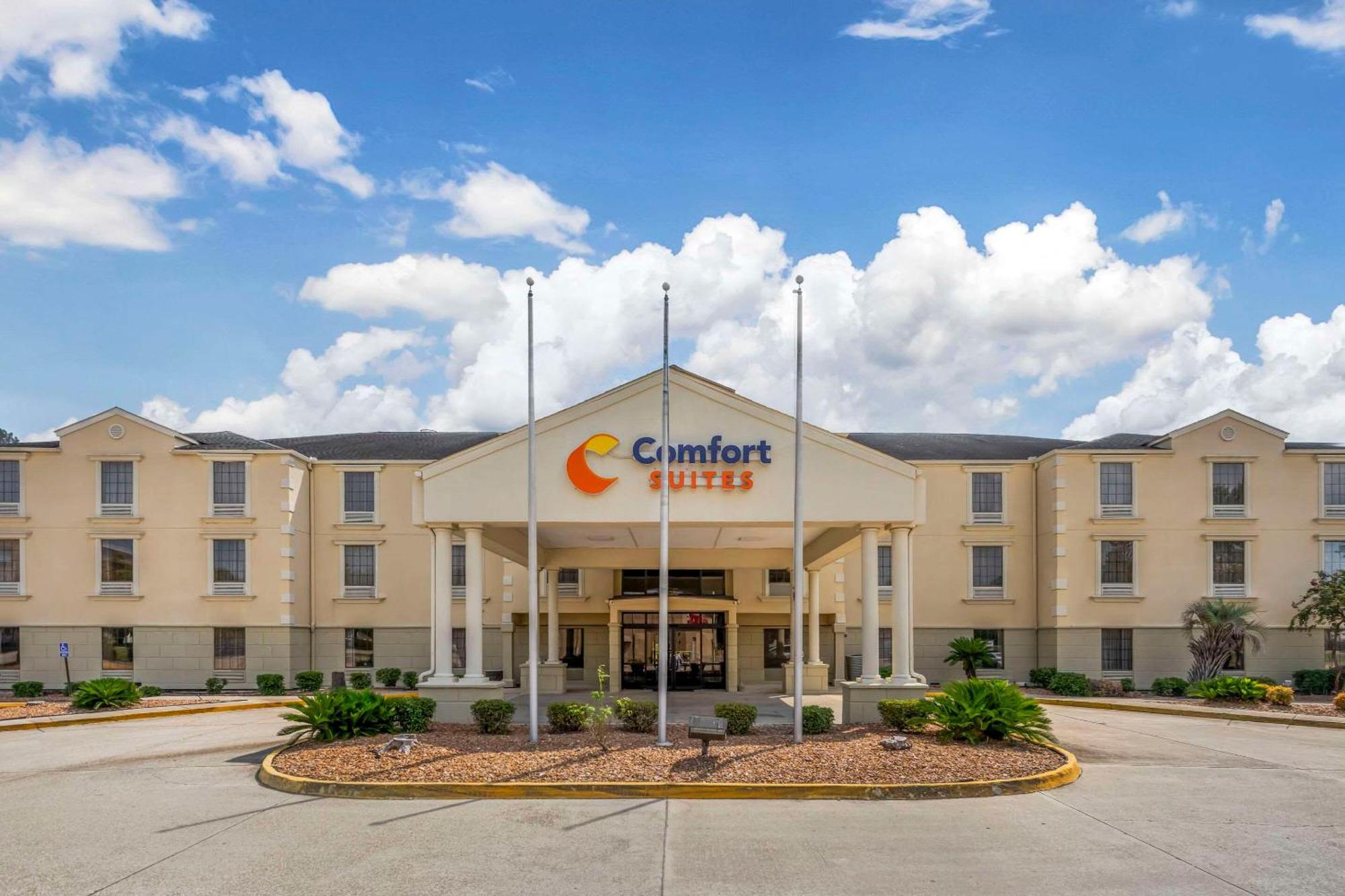
New York City's 3-star hotels hit a practical sweet spot: reliable amenities, recognizable brand standards, and prices that leave room in the budget for the city itself. This guide covers five vetted properties across Staten Island, Brooklyn, Queens, and the Bronx - each reviewed for location logic, transport access, and real booking value.
What It's Like Staying In New York
New York City is one of the few destinations where your borough choice matters as much as your hotel choice. Manhattan draws the crowds and the price premiums, but outer-borough stays in Staten Island, Brooklyn, Queens, and the Bronx offer genuine access to the city at a fraction of the cost - with subway lines, ferry connections, and express buses linking most neighborhoods to Midtown in under an hour. The subway runs 24 hours, which fundamentally changes how you plan your day and night. Foot traffic on major avenues like Broadway, Atlantic Avenue in Brooklyn, or Jamaica Avenue in Queens is constant during peak hours, so expect urban density wherever you are.
Outer boroughs absorb around 40% less hotel demand than Manhattan, which translates directly into better availability and lower nightly rates - especially on weekdays. That said, some areas require a transit mindset: if you're not comfortable navigating the MTA, certain locations will feel disconnected.
Pros:
- 24-hour subway access connects outer boroughs to Manhattan without needing a car
- Significantly lower nightly rates compared to Midtown or Downtown Manhattan properties
- Authentic neighborhood experiences in Brooklyn, Queens, and the Bronx that Manhattan can't replicate
Cons:
- Some outer-borough hotels require 45+ minutes to reach major Midtown attractions by transit
- Street noise and urban density are unavoidable near commercial corridors
- Car-dependent areas like parts of Staten Island reduce flexibility for non-drivers
Why Choose 3-Star Hotels In New York
In a city where budget hostels can charge Manhattan-level prices and luxury hotels routinely exceed $500 per night, 3-star hotels carve out the most rational middle ground for most travelers. These properties in New York typically deliver private en suite bathrooms, free WiFi, fitness centers, and 24-hour front desks - without the resort fees and valet charges that inflate costs at higher-tier properties. In outer boroughs, 3-star rates often run around 50% lower than comparable Manhattan 4-star options.
Room sizes at New York's 3-star hotels tend to be modest by national standards - expect standard doubles rather than suites - but properties outside Manhattan frequently offer free parking, which alone can save $50 or more per day. Brand-affiliated 3-star hotels like Fairfield by Marriott, Hilton Garden Inn, and Best Western provide consistency in quality control that independent budget hotels in the city often lack.
Pros:
- Free parking available at multiple properties - a significant cost saving in New York
- Brand-standard amenities including fitness centers, business centers, and reliable WiFi
- Breakfast included at select properties, reducing daily out-of-pocket food costs
Cons:
- Room sizes are typically compact - not suited for extended stays with large luggage
- Outer-borough locations mean longer transit times to Midtown Manhattan landmarks
- Limited concierge or premium services compared to 4- and 5-star alternatives
Practical Booking & Area Strategy
Where you stay in New York determines your daily rhythm more than almost any other decision. For Staten Island hotels, the key transit artery is the Staten Island Ferry terminal in St. George - free to ride and providing direct access to Lower Manhattan's Whitehall Street in around 25 minutes. Hotels near Richmond Avenue or Hylan Boulevard offer easy highway access for drivers heading toward the Goethals Bridge or Bayonne Bridge. In Brooklyn, proximity to Atlantic Avenue or Fulton Street keeps you on major subway corridors (A, C, G, 2, 3, 4, 5 lines), putting you within striking distance of Barclays Center, Prospect Park, and DUMBO. The A train from Jamaica, Queens runs express to Midtown in around 40 minutes, making Queens hotels near subway stops highly practical for airport-adjacent stays.
For the Bronx, the 6 train along Pelham Parkway and the 2/5 lines near Allerton Avenue connect northern neighborhoods to Grand Central in about 35 minutes. Top attractions worth planning around include the Metropolitan Museum of Art on Fifth Avenue, Central Park, Times Square, the Brooklyn Bridge, Yankee Stadium, the Bronx Zoo, and the Staten Island Ferry itself. Book at least 6 weeks ahead for travel during September (UN General Assembly), November (Thanksgiving parade), and December - these windows see demand spikes across all five boroughs, not just Manhattan.
Best Value 3-Star Stays
These properties offer the strongest cost-to-amenity ratio across their respective neighborhoods, with free parking, consistent brand standards, and practical transit access for budget-conscious travelers.
-
1. Fairfield Inn & Suites By Marriott New York Staten Island
Show on map


 Check-infrom 15:00 until 23:59Check-outuntil 11:00
Just a few rooms left at the best rate!
fromUS$ 104
-
2. Best Western Jamaica Inn
Show on map


 Check-infrom 15:00 until 23:59Check-outuntil 11:00
Just a few rooms left at the best rate!
fromUS$ 177
-
3. Rockaway Hotel
Show on map


 Check-infrom 15:00 until 23:59Check-outuntil 11:00
Hurry – almost gone at this price!
fromUS$ 77
-
4. Hotel Opus Bronx Near Bay Plaza Mall
Show on map


 Check-infrom 15:00 until 23:59Check-outuntil 11:00
Hurry – almost gone at this price!
fromUS$ 113
Best Premium 3-Star Option
For travelers who want the reliability of a full-service hotel with on-site dining and event facilities, this Staten Island property leads the group on amenities and overall experience quality.
-
5. Hilton Garden Inn New York/Staten Island
Show on map


 Check-infrom 16:00 until 23:59Check-outuntil 11:00
Rooms filling fast – secure the best rate!
fromUS$ 180
Smart Travel & Timing Advice For New York
New York City has no true off-season, but demand patterns are highly predictable. January and February are the cheapest months to book outer-borough 3-star hotels, with rates dropping noticeably after the holiday surge ends. Summer (June through August) drives strong leisure demand across all boroughs, particularly in Brooklyn and Queens, where beach access at Rockaway Beach and Coney Island pulls additional visitors. September is one of the most expensive months citywide due to the UN General Assembly, Fashion Week, and back-to-school university visits - book that window at least 8 weeks ahead.
For most travelers, 4 nights is the practical minimum to cover the city's spread across boroughs meaningfully. Spending fewer nights pushes you into a rushed Manhattan-only itinerary that misses what makes New York genuinely distinctive. Last-minute booking rarely works in New York - unlike some European cities, hotel inventory in all five boroughs tightens consistently during weekends, major sporting events at Madison Square Garden or Yankee Stadium, and any week that includes a public holiday. If you're flexible on borough, check Staten Island and Queens properties first - they consistently offer better last-minute availability than Brooklyn or Bronx alternatives at equivalent quality levels.